How to rehydrate and nourish dry, dehydrated skin - inside and out
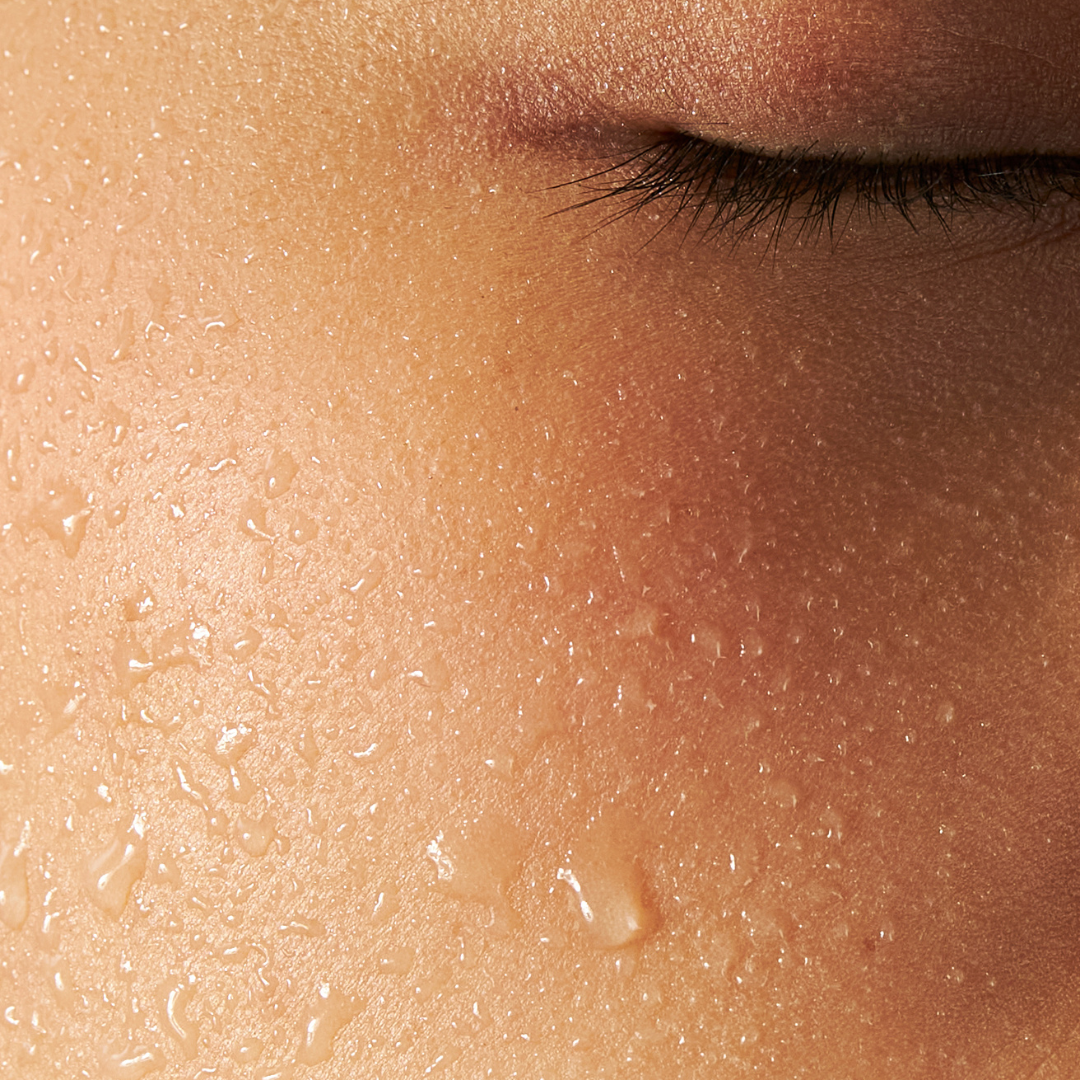
Dry, flaky, or tight-feeling skin isn’t just a surface issue. Whether your skin is dry (lacking oil) or dehydrated (lacking water), the driver often starts beneath the surface. Supporting hydration through dietary nourishment, lifestyle balance, and strategic skincare is the key to restoring softness, suppleness, and long-term skin health.
Hydrating from within: The foundation of skin health
Your skin’s moisture balance depends not only on what you apply, but also on how you hydrate and nourish internally.
Hydration essentials:
Consistent fluid intake is essential to maintain your skin’s elasticity and plumpness. Opt for non-caffeinated and non-alcoholic drinks to support hydration.
Good options include:
Water — frequent sips throughout the day
Herbal teas and infusions — naturally hydrating and soothing (ginger, cinnamon, lemon and camomile are personal favourites)
Broths — gentle on digestion and nutrient-packed
Water-rich foods:
Melon
Cucumber
Tomatoes
Bell peppers
Tip: Check your urine colour rather than fixating on fluid volume. Champagne or light straw-coloured urine is a good indicator of healthy hydration.
The right fats for moisture retention
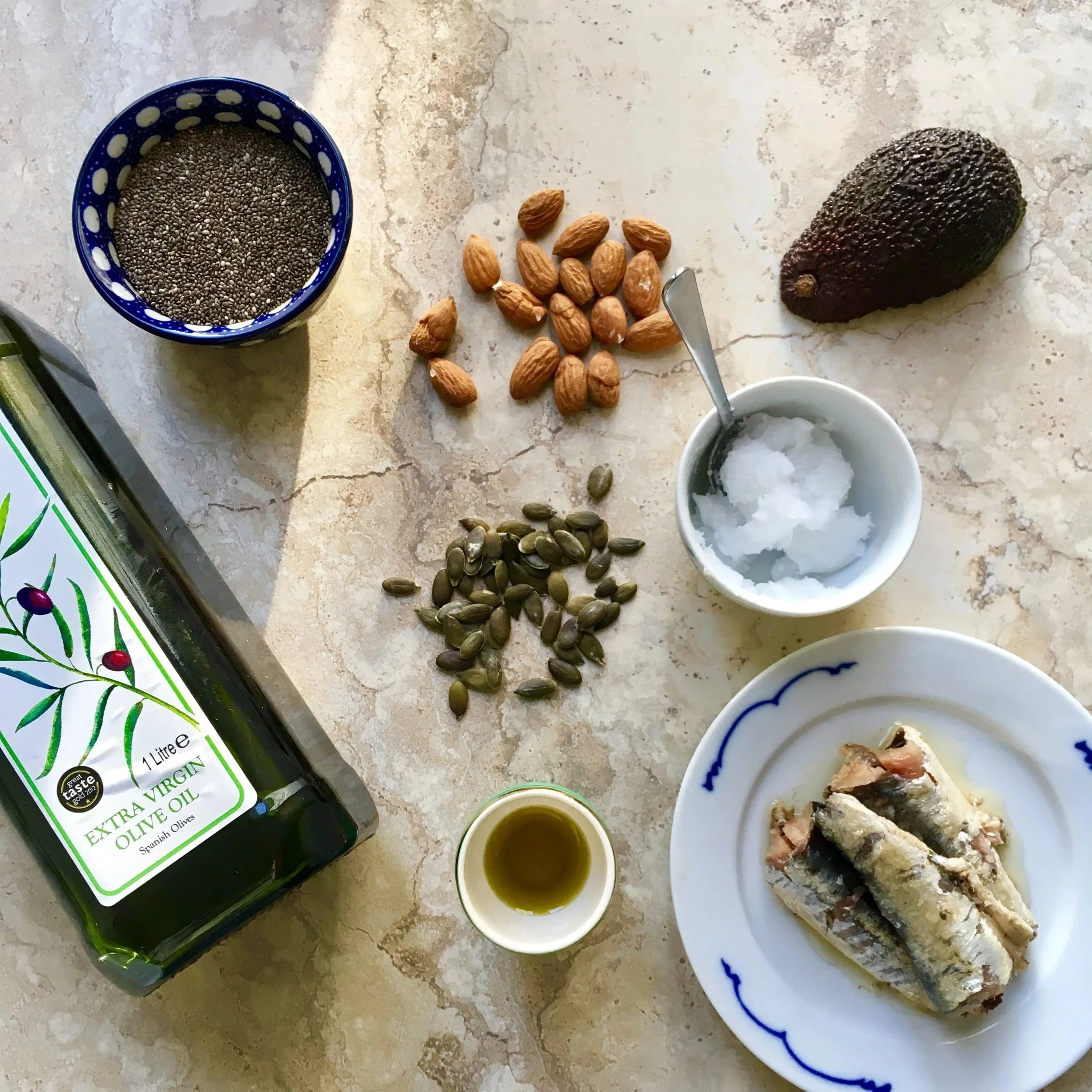
While water hydrates, essential fatty acids keep hydration locked in by strengthening the skin’s lipid layer. Include plenty of:
Olives and olive oil (ideally extra virgin)
Nuts and seeds (my favourites are chia, flax and pumpkin seeds, almonds, walnuts and macadamias)
Avocado and avocado oil
Oily fish (think S.M.A.S.H.T: salmon, mackerel, achovies, sardines, herring and trout) - aim for 2 portions per week.
Understanding Trans-Epidermal Water Loss (TEWL)
Trans-Epidermal Water Loss, or TEWL, refers to the amount of water that evaporates from your skin into the environment. A small amount of TEWL is normal, but excessive TEWL signals a weakened barrier — often resulting in dehydration, dryness, and irritation.
Supporting your barrier with the right skincare (and lifestyle) habits is key to minimising TEWL and restoring resilience.
Skincare strategy to reduce TEWL
Skincare is most effective when applied strategically. I recommend layering from thinnest to thickest in consistency to optimise absorption and lock in moisture.
1. Hydrate
Start with a water-based hyaluronic acid serum. Hyaluronic acid acts like a sponge, drawing and binding moisture — holding up to 1,000 times its weight in water.
2. Strengthen the barrier
Follow with a serum or cream containing:
Ceramides — replenish skin’s natural lipids
Niacinamide — calms inflammation and supports repair
Fatty acids — enhance barrier strength
3. Seal it in
Finish with a moisturiser suited to your skin type:
Richer formulas for dry or mature skins
Lightweight textures for combination or congestion-prone skins
4. Add extra protection
If your skin is very dry, compromised, or sensitive, finish with a thin layer of balm or facial oil to lock in moisture and create a gentle shield.
Lifestyle factors that influence skin hydration
Even the best skincare routine can’t compensate for lifestyle factors that compromise the skin barrier. Supporting skin health from the inside out makes every topical step more effective.
1. Sleep for skin repair
During deep sleep, your skin’s repair and regeneration processes peak — helping to rebuild the lipid barrier that retains moisture.
Aim for 7–9 hours each night
Keep consistent bedtimes
Prioritise pre-midnight sleep
2. Manage stress to regulate cortisol
Chronic stress disrupts cortisol — your stress hormone — which can:
Impair sebum balance
Weaken skin lipids
Slow cell turnover
Increase TEWL
To regulate cortisol and support your skin barrier, try stress management techniques like breathwork, gentle movement, meditation, and time in nature.
3. Protect against environmental stressors
External aggressors such as wind, pollution, air conditioning, and central heating strip moisture from the skin.
Support your barrier by:
Using a humidifier indoors when air is dry (or place small heat-proof bowls of water on top of radiators)
Applying barrier-supportive products containing ceramides, squalane, and fatty acids
Avoiding harsh weather exposure without SPF and barrier protective skincare
Gentle cleansing for barrier integrity
Over-cleansing can worsen dryness and dehydration. I recommend:
Balm or gel-based cleansers that respect the skin’s natural oils
Avoiding foaming cleansers that strip lipids
Lukewarm water only — never hot (don’t wash your face in the shower)
These small shifts can significantly reduce barrier stress and support long-term moisture balance.
Nutrition for barrier support
Your skin barrier needs key nutrients as its building blocks. Prioritise:
Omega-3 fatty acids from oily fish or supplements
Antioxidants from berries, colourful fruit and vegetables, and green tea
Hydrating foods and fluids daily
Reduce alcohol and caffeine, both of which are diuretics, and increase dehydration. When you do consume them, make sure that you counter their effects with plenty of fluids.

The Inside-Out approach to radiant skin
Rehydrating and nourishing your skin is about synergy — combining internal hydration, nutritional support, and considered skincare to restore resilience.
When your skin is supported internally and topically, it holds moisture more effectively, feels softer, and looks visibly healthier.
Ready to rebuild your skin barrier?
If you’re ready to understand your skin’s needs beyond surface level:
Book an introductory call as the first step to creating a tailored plan for your skin
Read more of my blog posts on nutrition and skin health
Subscribe to my newsletter for skin tips and nutrition insights