On Movement: with Sam Abbott, Co-Founder of move
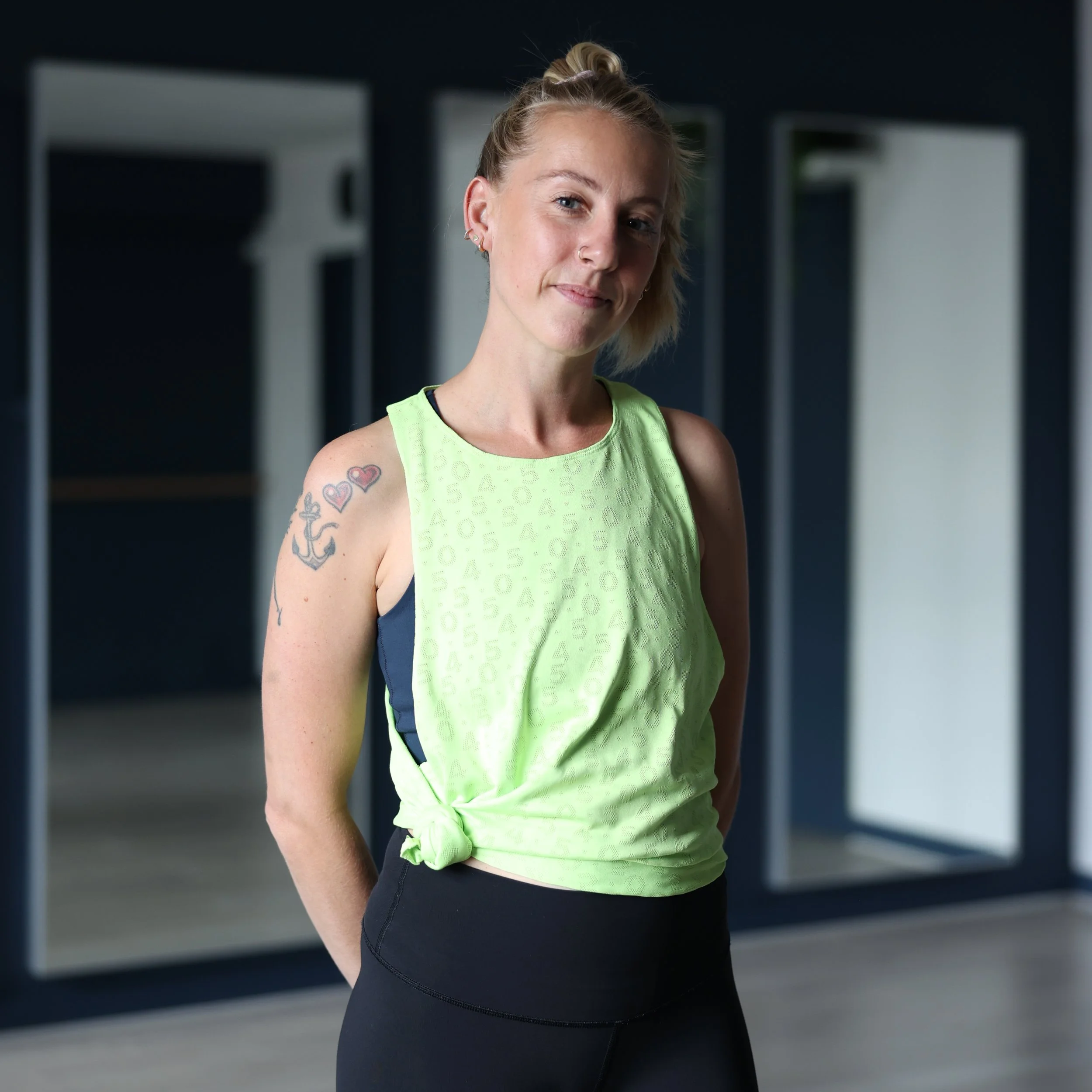
Sam is a dear friend and collaborator - she is the co-founder of move in East London and my go-to for advice on movement. She kindly agreed to answer some questions, and gives her expert opinion on issues I regularly see coming up for my clients.
What are some of the lesser known benefits of movement that people notice when they start training or attending classes regularly?
A big one is a shift in your energy levels and the way you perceive movement. It can start as a bit of a chore and can be viewed as an item you need to check off your to-do list. But once you start noticing the shift in energy levels and the positive feelings you get from the endorphins, attending class and coming to move becomes something you cherish and need for yourself.
Things can often feel stuck and taking a break and moving your body can often be a great way to move things forward. For me riding my bike to work in the morning and putting one foot in front of the other really unlocks my brain and solutions to things I have been working on often surface at this time.
It’s when you start to notice that the run to the bus didn’t take your breath away or carrying a little one to the park didn’t hurt your back, that you value the impact regular movement is having on your everyday life. You start to feel more confident in yourself and what you can handle.
When you put your body through physical stress such as strength and resistance training, it teaches us that we can do hard things and this has a positive impact on how we handle stress generally.
In your experience of working with women, what are some of the main obstacles to making movement a regular, consistent habit in their lives?
Women tend to put everyone else first; we have a tendency to look after anyone else and put ourselves to the back of the pile. This means when it comes to carving out time to exercise it can be really hard. It’s undoing those habits and realising that creating time for ourselves to connect with our bodies, really benefits us and those around us.
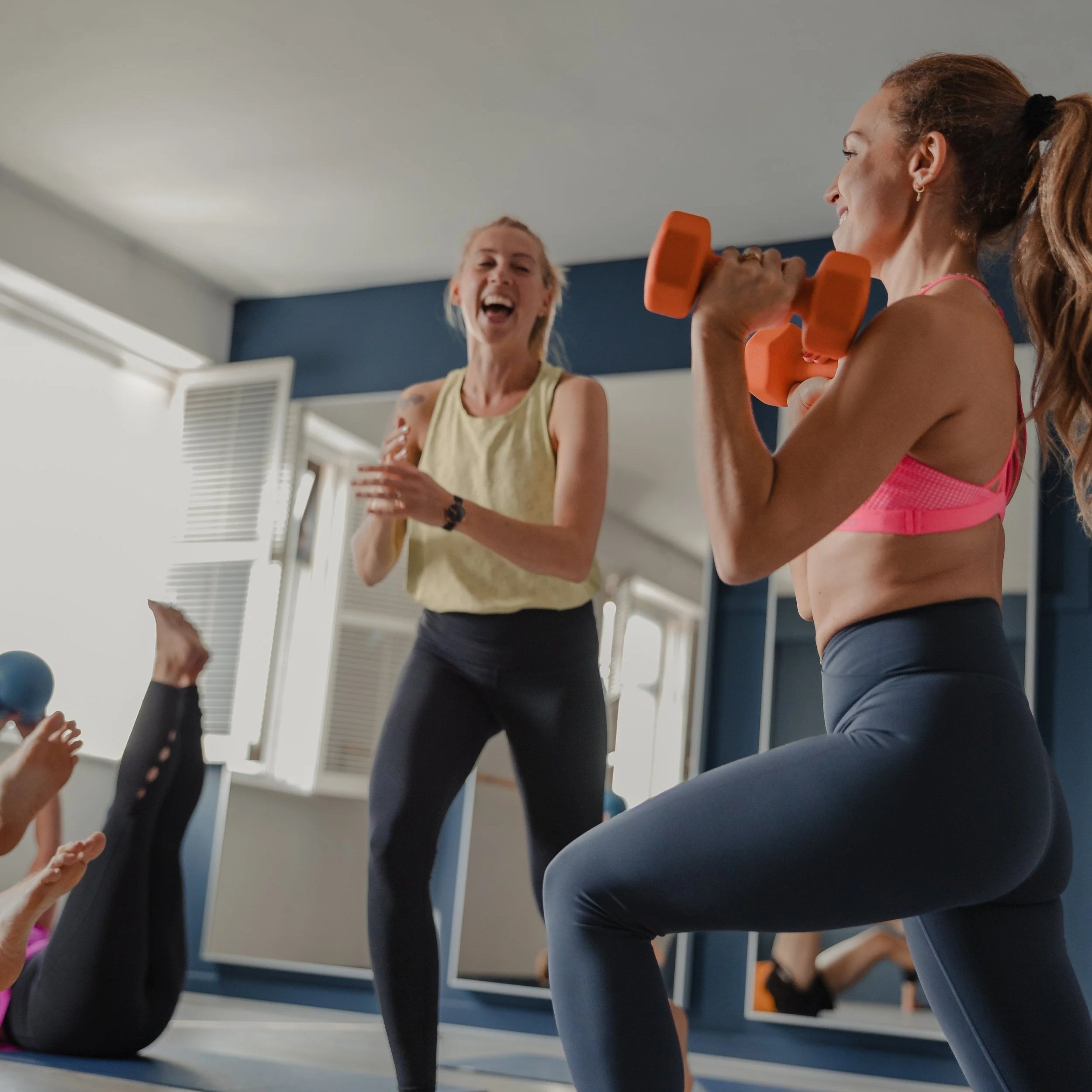
There's a lot of noise about how women need to adapt the exercise we do in our 40s. Can you summarise the main things to focus on for women in this age bracket, and achievable ways to build them into busy lives?
Absolutely there are some key changes that take place that we should consider, just like we do at other stages of our lives.
This comes from the drop in oestrogen levels, which results in loss of muscle mass, lower bone density, lower metabolism and longer recovery times.
To combat that, we can reduce high intensity cardio and go for more moderate forms like walking, shorter runs, swimming and cycling. Those HIIT classes of our 20s are super fun but they increase cortisol levels, and we want to avoid this in our 40s.
Strength and resistance training helps retain muscle mass and bone density, it’s more steady paced and helps to avoid injury. Plus it’s really fun to feel strong and see your progression with the weights you can pick up!
Many women I work with want to improve longevity and focus on ageing well. What role does movement play in that?
Movement keeps your body functioning well, but also boosts your mood and confidence. To me, there is nothing more inspiring than seeing women content in their bodies, feeling strong and positive as they age - like watching my Nan go to her dance and keep fit classes with her friends and thinking how cool they all were and nothing about them being in their 60s.
What are your favourite ways to move?
I’m a group energy person. I love being in a group of people and there is something about the collective energy we put out in class that I feel so motivated by. Cycling as my commute is my ultimate mood booster and way to drop in and out of work mode. I also love a Saturday morning run with one of my busy mum friends, so we can have a good old yap before a day of kids party’s and play dates!