Fibroids are non-cancerous growths in or around the womb, and they're a common cause of heavy periods, which can lead to low ferritin and iron-deficiency anaemia. Many women never know they have them, but for others they cause pain, pressure and exhausting bleeding. In summer 2026 I had surgery to remove fibroids. Here's what fibroids are, how nutrition can support you if heavy bleeding is affecting your iron levels, and what I've focused on during my recovery.
What are fibroids?
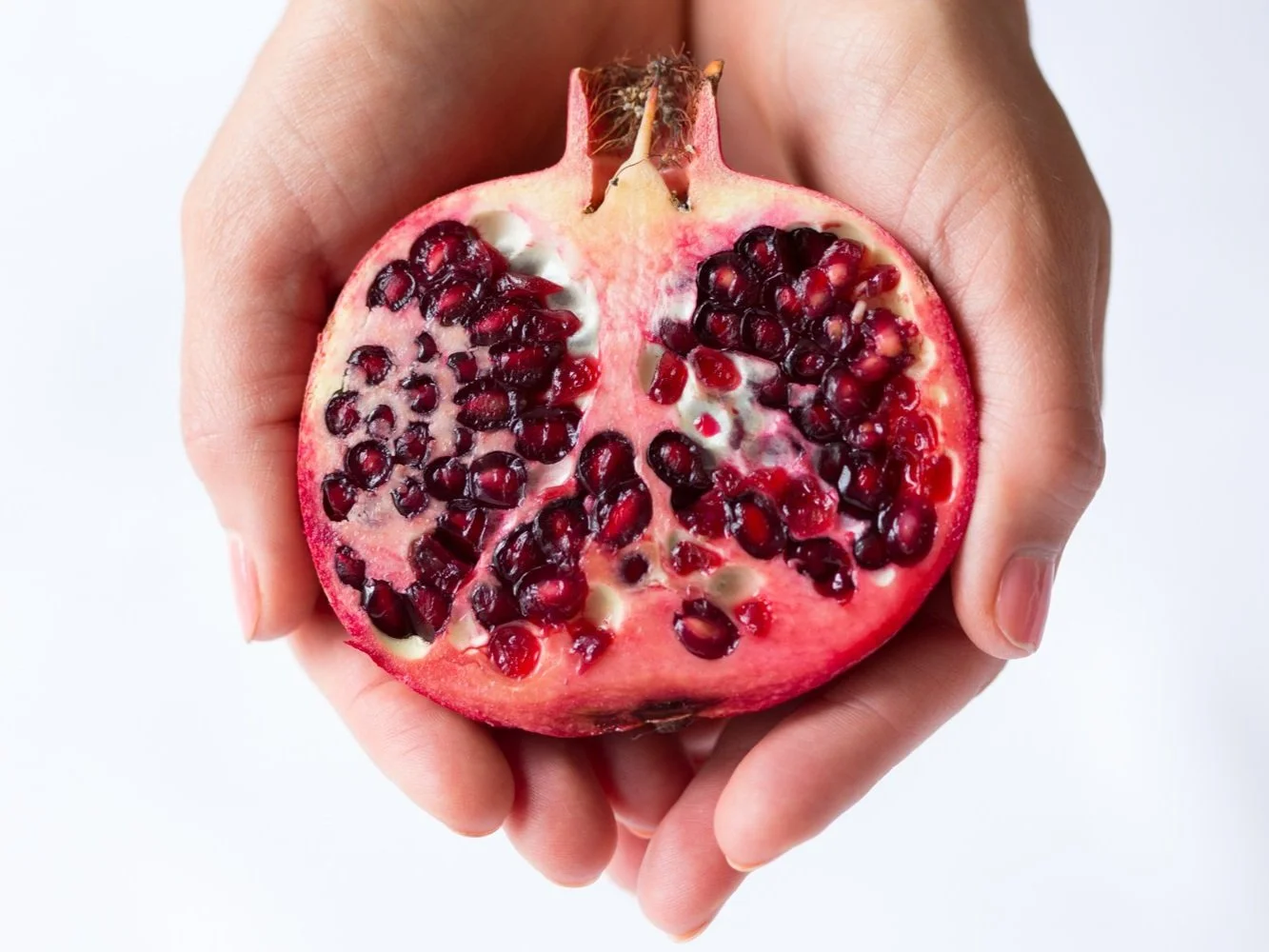
Fibroids are non-cancerous growths made of smooth muscle cells and fibrous tissue. Most grow within the muscular wall of the womb, but they can also grow on the outer layers, or hang off the outside of the womb on a stalk. They can be as small as a pea, as large as a melon, or anywhere in between.
Fibroids are thought to be stimulated by oestrogen. That fits with my own experience, as mine grew to their largest sizes during my pregnancies, and they tend to shrink after menopause.
How common are fibroids, and what causes them?
Fibroids are very common. UK NHS patient information puts it at roughly one in three women at some point in their lives, most often between the ages of 30 and 50. Some estimates are higher. Many women never know they have them, because they don't cause symptoms and need no treatment.
Despite how common they are, the exact cause isn't known. There's thought to be a strong genetic component and possible links with environmental exposures. Fibroids are also more common in Black women, and tend to appear earlier and grow larger.
What symptoms can fibroids cause?
When fibroids do cause symptoms, they can have a significant impact on quality of life. Symptoms can include:
heavy and/or painful periods, which can lead to chronic anaemia
frequent urination or constipation, and lower back pain, where fibroids put pressure on the bladder or bowel
a feeling of dragging or heaviness in the lower abdomen
bloating or swelling, as large or numerous fibroids can enlarge the womb and make the abdomen look swollen or even pregnant
Depending on their type, position and size, fibroids can also affect fertility.
Why can fibroids lead to low ferritin?
Ferritin is a measure of your body's iron stores. Heavy menstrual bleeding is a common cause of low ferritin in women, because you lose iron with blood. Fibroids are one of several possible drivers of heavy periods, alongside conditions such as endometriosis and adenomyosis. If iron stores fall low enough, it can lead to iron-deficiency anaemia, with symptoms such as fatigue, weakness, headaches and feeling faint. I recently talked about "ferritin face" on Instagram, and this is the wider picture behind it.
How can you support your ferritin if you have heavy periods?
The first step is to speak with your GP. Ask for a full blood count and an iron panel including ferritin, and have the cause of your heavy bleeding investigated. This often involves a referral for a scan. It’s not recommended to start iron supplements without testing, because too much iron can be harmful.
Alongside medical care, nutrition plays an important role. Iron-rich foods include red meat, lentils, beans and dark leafy greens. Pairing plant-based food sources with vitamin C, such as peppers, citrus or berries, helps your body absorb the iron. Tea and coffee can reduce iron absorption, so it's worth drinking these between meals - rather than with them.
How are fibroids treated?
If fibroids need treatment, there are several options, from medication to radiological treatments and surgery. The right choice depends on your symptoms, the size and position of your fibroids, your age, and whether you'd like to have children in future. This is a conversation to have with your GP or gynaecologist.
What was recovery from a laparoscopic myomectomy really like?
I'd lived with my fibroids for a number of years when I finally had them removed. I had a robotic laparoscopic myomectomy, which is keyhole surgery. The fibroids are cut down to reduce their size, and removed through tiny incisions in the abdomen. I have four of these incisions, which five months on from my surgery, are barely visible.
Laparoscopic surgery has a quicker recovery than open surgery, but I underestimated it. Because the incisions on the surface are so small, it's easy to forget how much healing is needed internally. What I wasn't prepared for was the fatigue once the initial pain and discomfort had eased. I needed a lot of rest, and I took nap breaks during the working day for several weeks. Another mistake I made was overdoing things when I started to feel better. This caused a couple of set backs where my pain returned and I had to back-track to recover.
What helps with recovery after fibroid surgery?
Certain nutrients play a key role in tissue repair and in regulating inflammation. Some of them also support the processes involved in how the body handles oestrogen, which is why I've kept them up beyond the early weeks.
Look after your digestion. Anaesthetics and pain relief can slow your digestive system down, especially if you've been prescribed codeine to take at home. Staying well hydrated and keeping on top of fibre is really important in the early days. After any antibiotics, a probiotic can help replenish your gut bacteria. Bowel regularity matters beyond recovery too, because used-up hormones are cleared through the bowel, and getting rid of these stops them re-circulating.
Eat warm, easily digestible foods. Broths, soups and stews high in protein, fibre and iron put less strain on your digestion. Lentils, chicken, meat, brown rice, quinoa, greens and root vegetables all work well, and they can be batch cooked in a slow cooker ahead of time. If you're struggling to keep up with regular meals, a good-quality protein powder can be a helpful addition, as protein is essential for tissue repair.
Which nutrients have I focused on since my surgery?
The evidence for diet and fibroids is still developing, so I see these as supportive measures rather than guarantees.
Vitamin D. Low vitamin D has been linked to a higher risk of fibroids, and in laboratory research vitamin D slows fibroid cell growth. It isn't proven that correcting a deficiency prevents fibroids returning, but with low Vitamin D levels associated with the presence of fibroids, it's worth checking your levels and correcting a deficiency, for your health more broadly.
Green tea. EGCG, an antioxidant in green tea, has been linked to smaller fibroids and fewer symptoms. If you're anaemic, remember green tea can reduce iron absorption, so have it away from iron-rich foods and supplements. Use of concentrated green tea extracts should be supervised by a practitioner.
Omega-3. The EPA form of omega-3 has an anti-inflammatory action and may help with pain. Good food sources are oily fish such as salmon, mackerel, sardines and anchovies.
Cruciferous vegetables, twice a day. Rocket, watercress, broccoli, kale, cauliflower, cabbage, brussels sprouts and pak choy contain indole-3-carbinol, a compound that supports the liver pathways involved in metabolising oestrogen so that it can be cleared via the bowel. They also provide fibre and antioxidants.
Can you stop fibroids coming back?
Fibroids are complex, and managing them often takes a combination of medical, surgical, dietary and lifestyle approaches. Nothing can guarantee they won't return. Now that I've recovered from surgery, my focus is on doing what I can to reduce the chance of recurrence: eating well, targeted supplementation, movement, stress management and maintaining a healthy weight.
When should you see your GP?
Speak with your GP if you have very heavy bleeding, such as soaking through period products every hour or two or passing large clots, severe or worsening pain, bleeding between periods, or symptoms of anaemia such as persistent tiredness, breathlessness or feeling faint.
Frequently asked questions
-
Indirectly, yes. Fibroids can cause heavy periods, and heavy bleeding can lower your iron stores. Your GP can check your ferritin and look into the cause of heavy bleeding.
-
There's no diet proven to shrink fibroids. Nutrition can support your overall health, iron status, hormone metabolism and recovery, and works alongside medical care rather than replacing it.
-
It varies from person to person, and your surgical team will give you specific advice. I found the fatigue lasted longer than the pain, and needed rest for several weeks.
-
They can. That's why many women focus on supporting their overall health via nutrition and lifestyle after surgery, and why it's worth discussing follow-up with your gynaecologist.
If you'd like support with heavy periods, fibroids or recovery, you can book a free 15-minute introductory call. You can also read more about my hormonal health and cycle support, or what to expect from a nutritional therapy consultation.
Useful resources:
Patient information on Fibroids: UCLH
Improving early detection and care pathways for uterine fibroids in England
Written by Jodie Abrahams, Registered Nutritional Therapist (BANT, CNHC)